
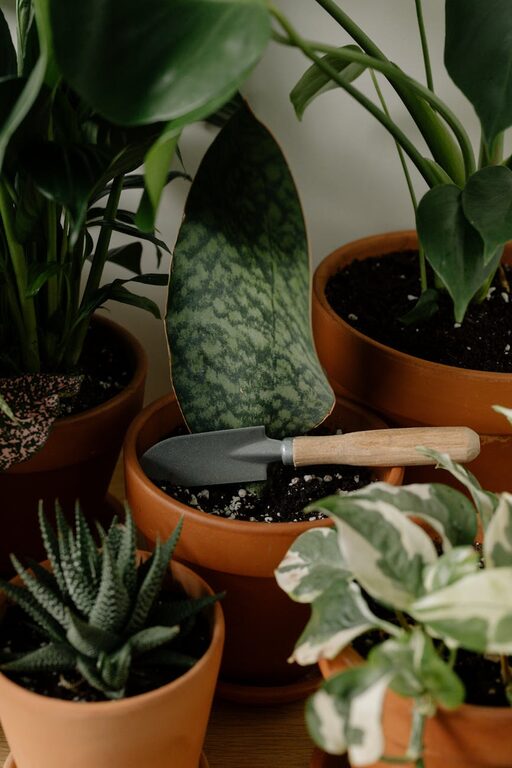
Bringing plants indoors not only beautifies your home but also improves air quality and boosts your mood. However, keeping an indoor plant collection healthy throughout the year requires some thoughtful care and attention. Every season brings new challenges and opportunities for your plants to thrive. In this guide, we will explore practical tips to help you maintain a vibrant indoor garden no matter the time of year.
Understanding Your Indoor Plants’ Needs
Each indoor plant species has unique care requirements. Before diving into seasonal routines, it’s important to familiarize yourself with key factors such as light, water, humidity, and temperature preferences specific to your plants.
Light Requirements
Most indoor plants rely on natural sunlight. Some thrive in bright, direct light, while others prefer filtered or indirect light. Position your plants near windows or use grow lights if natural sunlight is limited.
Watering Basics
Overwatering is one of the most common causes of plant problems. Check the soil moisture regularly and water only when the top inch feels dry for most plants. Adjust watering frequency according to the season and plant type.
Humidity and Temperature
Indoor plants generally prefer moderate humidity and stable room temperatures between 60-75°F (15-24°C). Many tropical varieties benefit from occasional misting or using a humidity tray.
Seasonal Care Tips
Spring: Time to Refresh
Spring marks the beginning of active growth for many plants. It’s a great time to:
– Repot your plants if roots are crowded or soil has become compacted. Use fresh, well-draining potting soil.
– Prune dead or yellowing leaves to encourage new growth.
– Increase watering gradually as plants become more active.
– Fertilize regularly using a balanced, water-soluble fertilizer to support healthy growth.
– Increase light exposure by moving plants closer to windows or removing sheer curtains.
Summer: Managing Heat and Light
Summer brings warmth and longer days, encouraging faster growth, but also risks of heat stress.
– Monitor soil moisture carefully, as drying happens faster. Avoid waterlogging.
– Provide some shade during peak sun hours to prevent leaf burn, especially for shade-loving plants.
– Increase humidity if your home tends to be dry, using a humidifier or grouping plants together.
– Watch for pests like aphids and spider mites, which can be more active in summer. Treat infestations promptly.
Fall: Transition and Preparation
As daylight hours decrease, many plants slow down their growth:
– Reduce watering frequency to match the slower pace of growth.
– Cut back on fertilizing, as overfeeding during dormancy can harm plants.
– Clean leaves gently to remove dust and maintain efficient photosynthesis.
– Inspect plants for pests and diseases to avoid winter problems.
– Rotate plants occasionally to ensure even light distribution.
Winter: Care During Dormancy
Winter is a rest period for many houseplants but still requires attention to maintain health:
– Water sparingly, allowing top layers of soil to dry out more between watering.
– Avoid drafts from cold windows or heating vents, which can stress plants.
– Maintain humidity levels, as indoor air tends to be drier due to heating systems.
– Keep plants clean by wiping leaves occasionally and removing any dead foliage.
– Supplement lighting with grow lights if natural light is scarce.
General Tips for Year-Round Success
Choose the Right Plants for Your Space
Selecting plants that match your home’s light and humidity levels reduces the need for constant adjustment and repair.
Use Proper Pots and Soil
Ensure you have pots with drainage holes and use appropriate potting mixes for each plant type. Proper drainage prevents root rot and promotes healthy growth.
Monitor for Pests and Diseases
Regularly inspect your plants for signs of pests or fungal infections. Early detection and natural treatments like neem oil can save your collection from severe damage.
Keep a Plant Care Journal
Recording watering schedules, fertilizing dates, and observations can help you track what works best over time and adjust care as needed.
Practice Patience and Observation
Plants communicate their needs through leaf color, growth patterns, and overall appearance. Paying attention and responding accordingly will help you nurture a thriving indoor garden.
Conclusion
Maintaining a healthy indoor plants collection throughout the year is a rewarding project that brings ongoing joy and greenery into your home. By understanding your plants’ unique requirements, adapting care through the seasons, and practicing mindful observation, you’ll create an environment where your indoor plants flourish every day.
Start today by reviewing your plant’s needs and making small adjustments based on the season. With consistent care and a little attention, your indoor garden will continue to brighten your living space year-round.